
Sharp pain in your back or side can stop you in your tracks. When that discomfort centers around your kidneys, it often signals something that needs attention. Whether caused by stones, infection, or another issue, kidney pain disrupts your daily routine and leaves you searching for relief.
Some kidney pain responds well to home care measures. Rest, proper hydration, and targeted pain relief can ease mild to moderate discomfort. But certain symptoms require urgent medical evaluation. Understanding the difference keeps you safe while managing pain effectively.
This guide walks you through recognizing kidney pain and assessing your symptoms. You’ll learn which home remedies help and which ones to avoid. Most importantly, you’ll know exactly when kidney pain warrants a call to your doctor and what to expect during evaluation.
What is kidney pain and when to worry
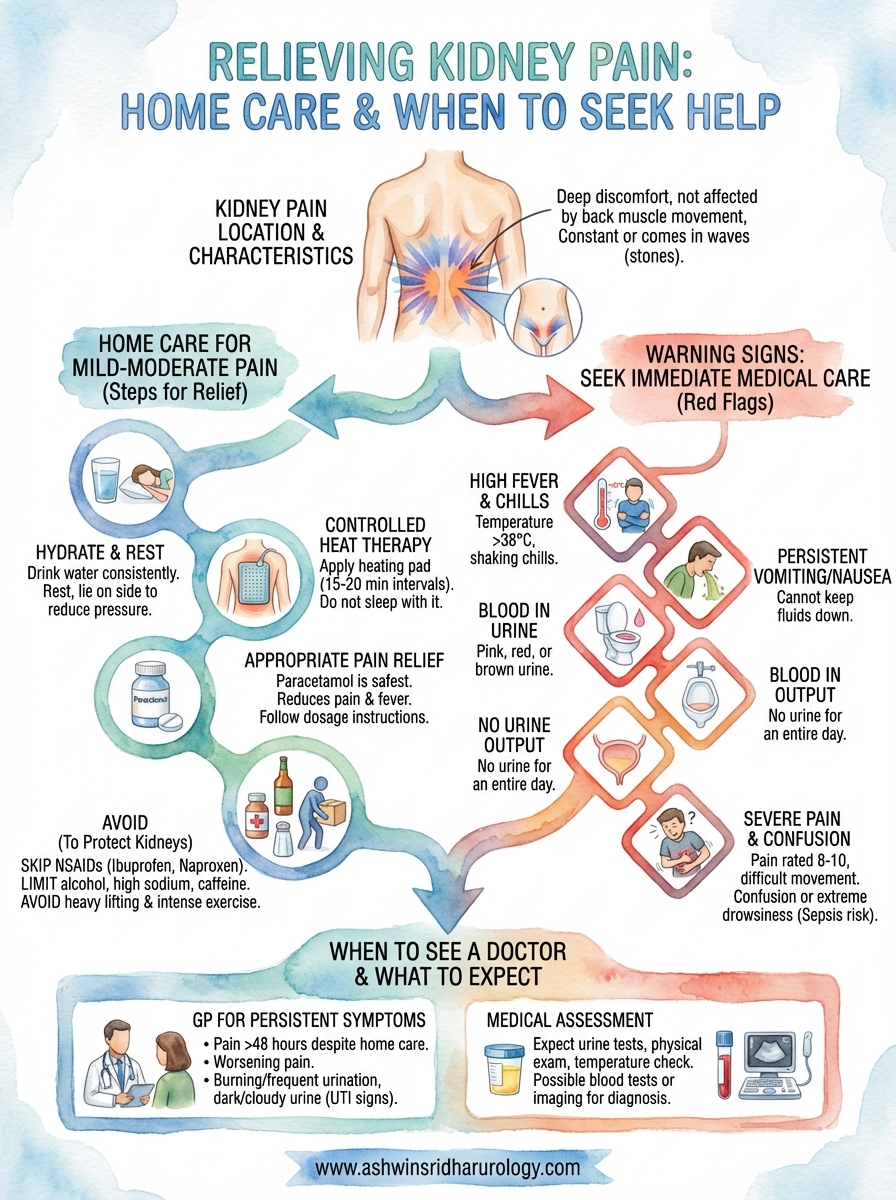
Kidney pain develops in your mid to upper back, typically between your ribs and hips on one or both sides. Your kidneys sit deep in your abdomen, which means the discomfort often feels different from typical back pain. The pain may radiate toward your lower abdomen or groin, especially with kidney stones.
Location and characteristics
You’ll feel kidney pain in your flank area, the space between your bottom rib and hip bone. This pain stays constant or comes in waves, depending on the cause. Kidney stone pain often shifts as the stone moves through your urinary tract. Infection-related pain tends to remain steady and may worsen with movement or pressure on the affected side.
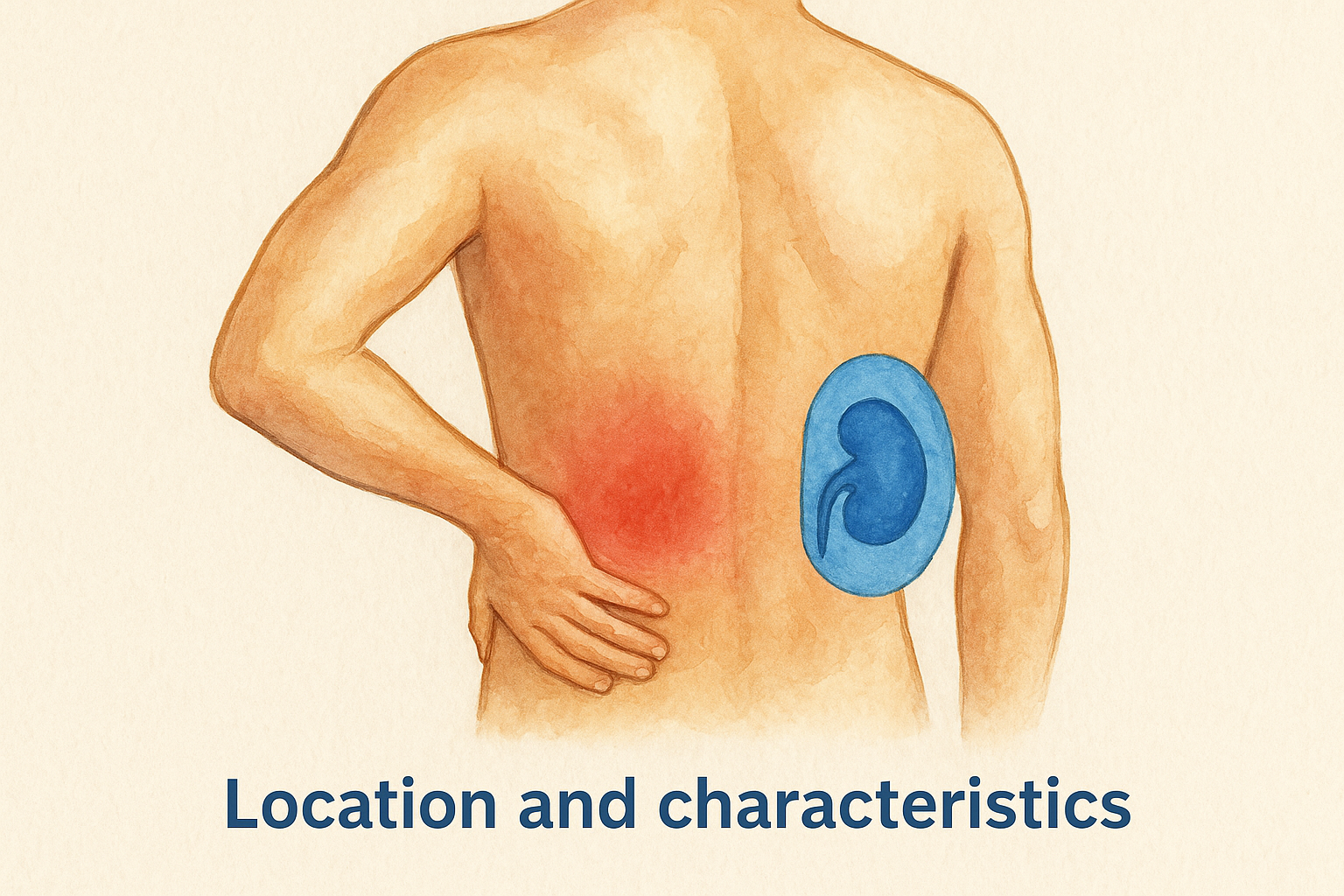
The pain differs from muscular back pain because it doesn’t change when you adjust your position. Pressing on your back muscles near your spine won’t typically increase kidney-related discomfort.
Warning signs that require immediate care
Certain symptoms alongside kidney pain demand urgent medical attention. High fever above 38°C, chills, and confusion signal a possible kidney infection that could progress to sepsis. Blood in your urine, inability to pass urine, or severe nausea that prevents you from keeping fluids down also require immediate evaluation.
Pain accompanied by fever, vomiting, or blood in urine should never be managed at home alone.
Understanding how to relieve kidney pain starts with recognizing whether your situation allows for home care or needs professional assessment.
Step 1. Check your symptoms and red flags
Before you attempt any relief measures, you need to assess your symptoms carefully. This step determines whether you can safely manage your discomfort at home or need immediate medical attention. Take a few minutes to evaluate your pain intensity and note any accompanying symptoms that could signal a serious condition.
Assess your current discomfort level
Rate your pain on a scale of 1 to 10, where 10 represents unbearable pain. Mild to moderate pain (1-5) that remains stable or slowly improves may respond well to home care. Notice whether your pain stays constant or comes in waves. Stone-related pain typically fluctuates as the stone moves, whilst infection pain tends to remain steady with gradual intensification.
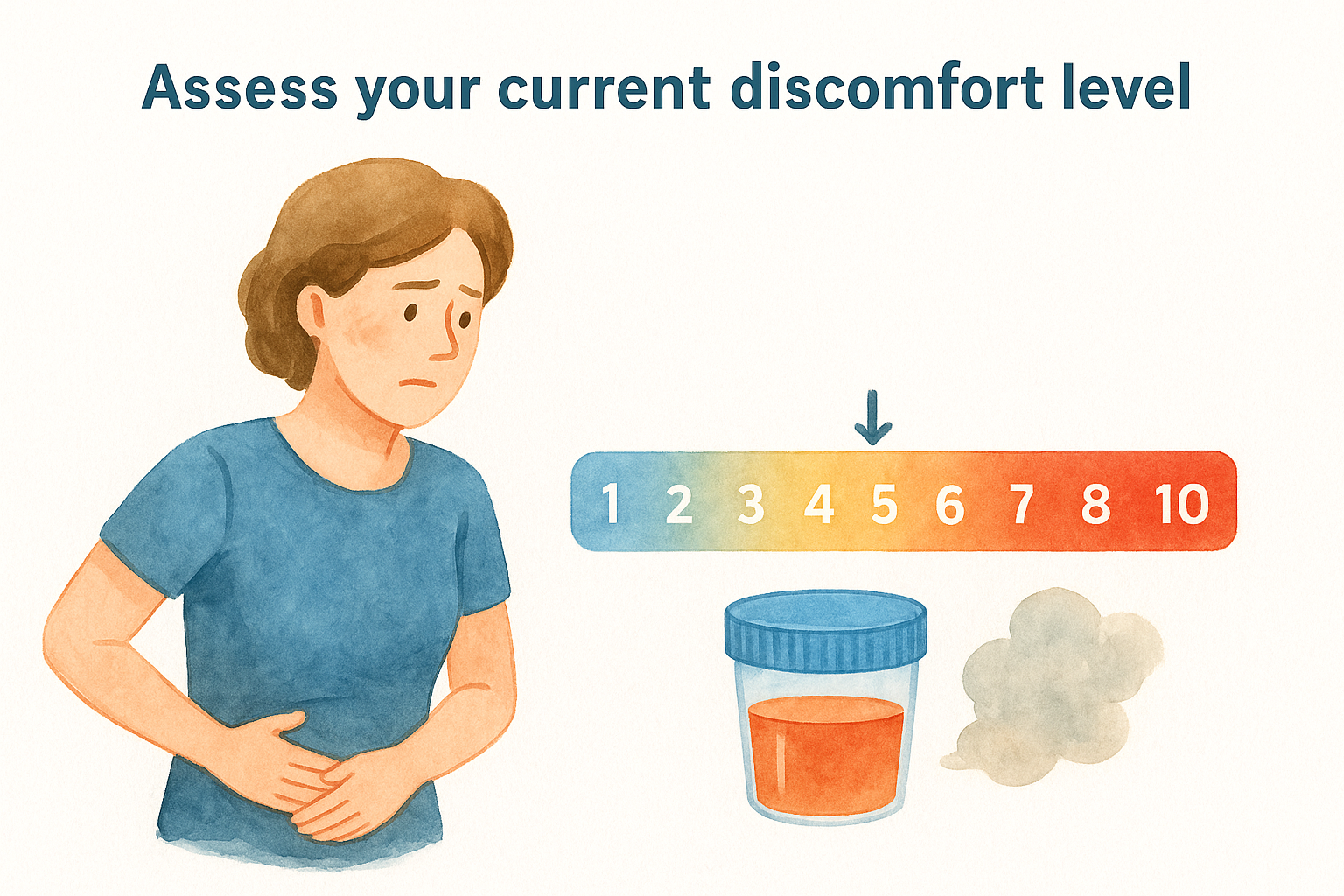
Check your urine color and frequency. Cloudy, dark, or foul-smelling urine suggests infection. Pink or red urine indicates blood, which requires medical evaluation regardless of pain level.
Look for these urgent warning signs
Certain symptoms alongside kidney pain demand immediate medical attention. Understanding how to relieve kidney pain safely means recognizing when professional care becomes essential. Contact your GP urgently or visit A&E if you experience:
- Temperature above 38°C with chills or shaking
- Persistent vomiting that prevents you from drinking fluids
- Blood in your urine (pink, red, or brown color)
- No urine output for an entire day
- Severe pain rated 8-10 that makes movement difficult
- Confusion or drowsiness alongside pain and fever
If you’re pregnant and experience kidney pain with any additional symptoms, seek immediate medical assessment.
These warning signs indicate conditions like kidney infection, severe obstruction, or complications that worsen without prompt treatment. When in doubt, call NHS 111 for guidance.
Step 2. Use safe home measures for mild pain
Once you’ve confirmed your symptoms don’t require immediate medical attention, several safe home measures can provide relief. These steps work best for mild to moderate kidney pain caused by minor infections or small stones that will pass naturally. Understanding how to relieve kidney pain at home allows you to manage discomfort whilst your body heals or whilst you await medical assessment.
Hydrate properly and rest
Your body needs adequate fluid intake to flush bacteria and help small stones pass through your urinary system. Drink water consistently throughout the day, aiming for small sips if nausea makes larger amounts difficult. Plain water works best, though you can alternate with diluted squash if needed.
Rest allows your body to focus energy on healing. Take time off work if your pain makes concentration difficult. Lie on your side with a pillow between your knees to reduce pressure on your kidneys. Avoid strenuous activities that could worsen your discomfort or increase your risk of injury whilst managing pain.
Apply controlled heat therapy
Place a hot water bottle or heating pad wrapped in a towel against your lower back or affected side. Heat therapy relaxes muscles surrounding your kidneys and reduces pain signals sent to your brain. Apply heat for 15-20 minute intervals with breaks in between to prevent skin irritation.
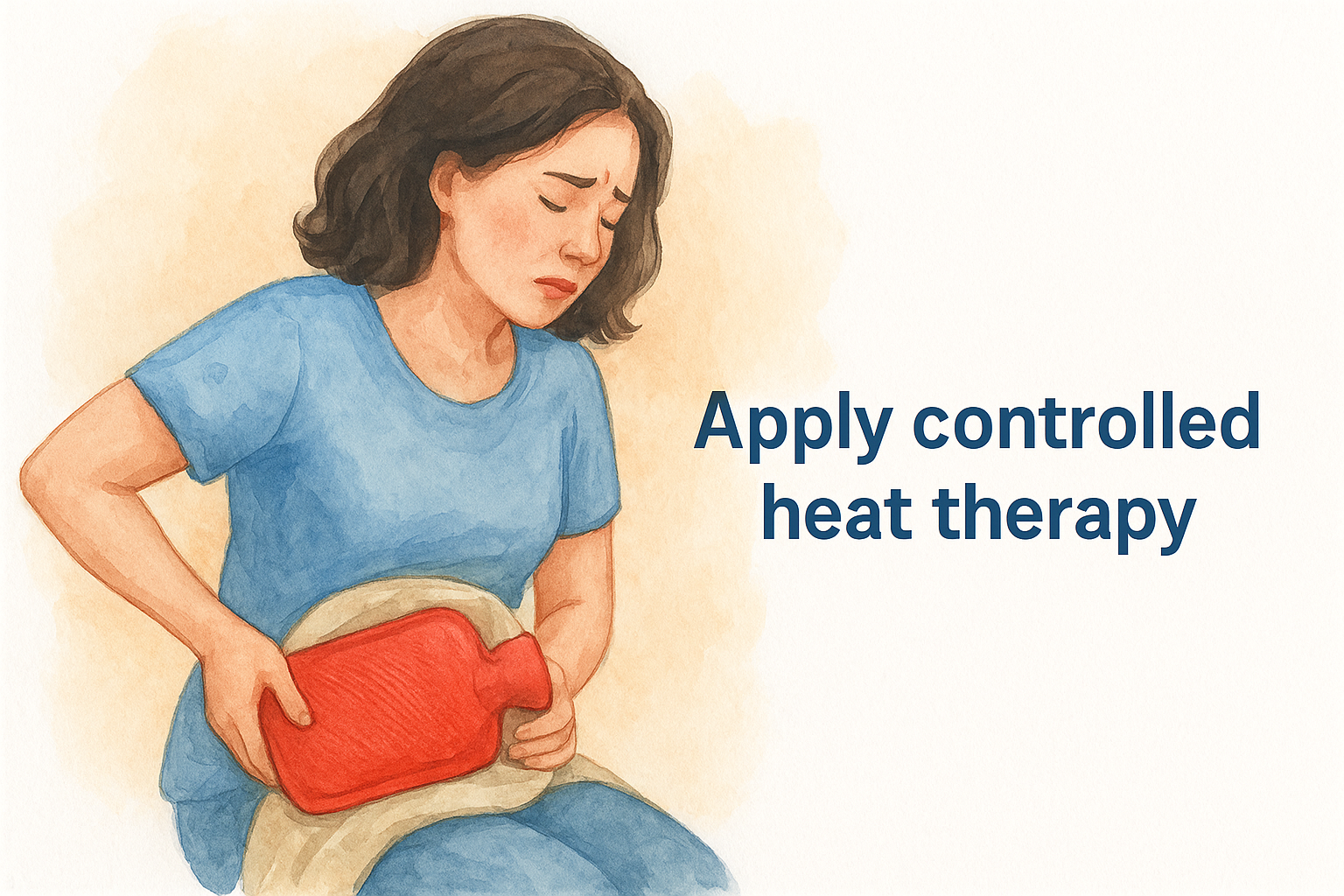
Heat provides temporary relief but doesn’t treat the underlying cause of your kidney pain.
Never fall asleep with a heating pad in place, as prolonged exposure can burn your skin even at moderate temperatures.
Take appropriate pain relief
Paracetamol remains the safest choice for kidney pain relief. Take the standard adult dose of 500-1000mg every 4-6 hours as needed, never exceeding 4000mg in 24 hours. This medication reduces both pain and fever without stressing your kidneys further.
Keep a record of when you take pain relief and how well it works. This information helps your doctor assess your condition if symptoms persist or worsen.
Step 3. Know what to avoid with kidney pain
Understanding how to relieve kidney pain includes knowing which common remedies and habits can worsen your condition or damage your kidneys further. Several over-the-counter medications and lifestyle choices that seem helpful actually create additional problems.
Skip anti-inflammatory drugs
Ibuprofen and other NSAIDs reduce blood flow to your kidneys and can cause additional damage when you already have kidney problems. These medications include common brands like Nurofen, Advil, and naproxen. Your kidneys work harder to process these drugs, which increases your risk of acute kidney injury.
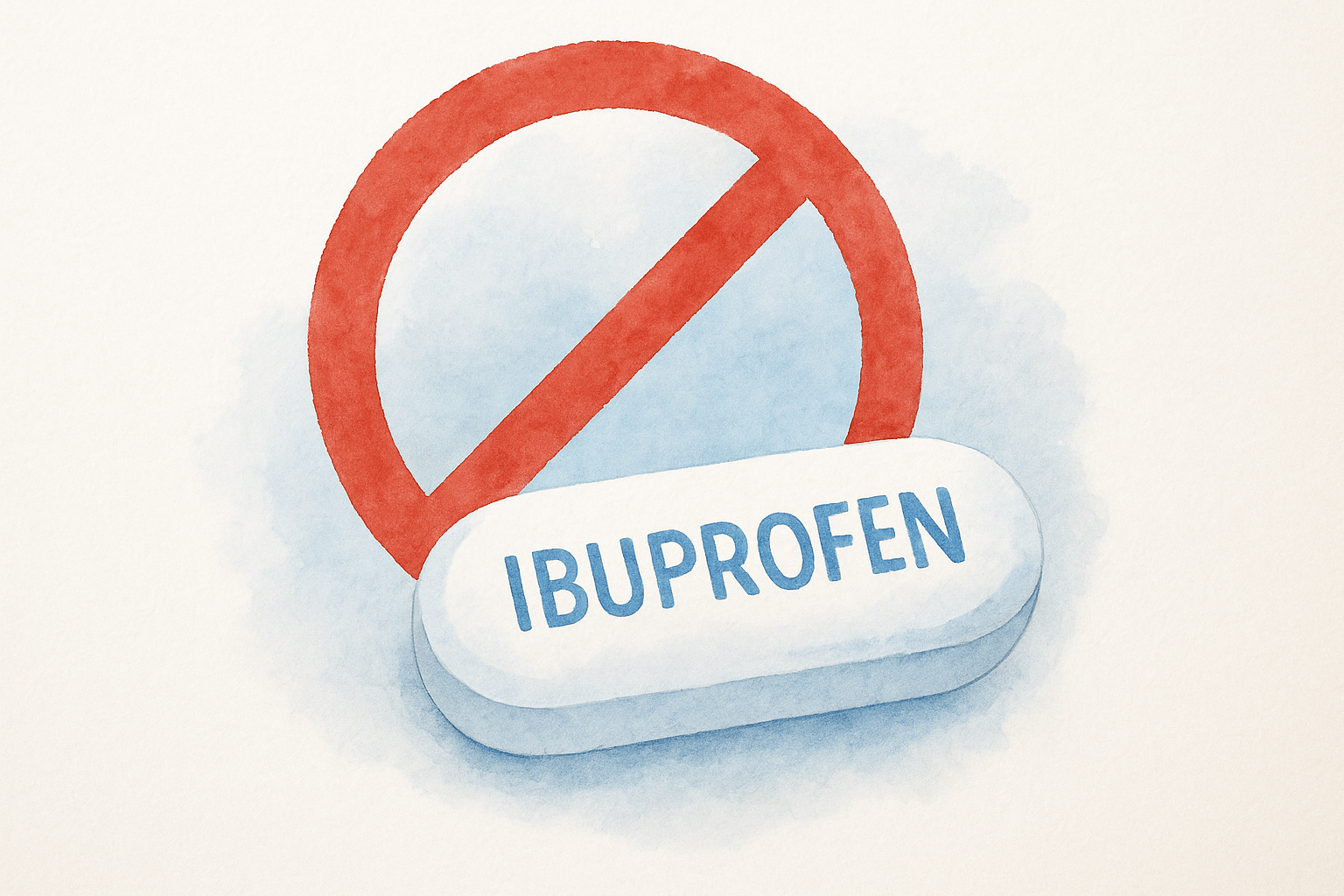
Avoid all NSAIDs unless your doctor specifically advises otherwise for your situation.
Limit certain foods and drinks
Alcohol dehydrates your body and forces your kidneys to work harder when they need rest. High-sodium foods increase fluid retention and blood pressure, both of which strain your kidneys. Caffeinated beverages act as diuretics, which might seem beneficial but can lead to dehydration if you don’t balance them with adequate water.
Reduce your consumption of processed foods, salty snacks, and sugary drinks until symptoms improve.
Avoid physical strain
Heavy lifting and intense exercise can worsen kidney pain and increase your risk of injury whilst your body fights infection or passes stones. Sudden movements and twisting intensify discomfort and potentially cause complications.
Activities to postpone:
- Lifting objects over 5kg
- Running or high-impact sports
- Bending and twisting movements
Step 4. When to see a doctor and what to expect
Home care measures help with mild kidney discomfort, but many situations require professional medical evaluation. Knowing when to transition from self-care to medical care protects your kidneys from permanent damage and prevents complications. Understanding how to relieve kidney pain includes recognizing when your symptoms exceed the scope of home treatment.
Contact your GP for persistent symptoms
Book an appointment with your GP if your kidney pain continues beyond 48 hours despite home care measures. Symptoms that haven’t improved with rest, hydration, and paracetamol need professional assessment. Your doctor should also evaluate pain that gradually worsens over several days, even if it remains manageable.
Schedule a same-day or urgent appointment if you develop burning or stinging during urination, need to urinate more frequently than usual, or notice your urine has become dark or cloudy. These symptoms suggest a urinary tract infection that needs antibiotic treatment before it spreads to your kidneys.
Delaying treatment for a urinary tract infection can lead to serious kidney complications within days.
Seek emergency care for serious complications
Call 999 or go directly to A&E if you experience confusion or extreme drowsiness alongside kidney pain. This combination signals potential sepsis, which requires immediate intravenous antibiotics. High fever above 39°C with uncontrollable shaking also demands urgent hospital assessment.
What happens during medical assessment
Your doctor will collect a urine sample to test for infection, blood, or abnormal proteins. They’ll check your temperature, blood pressure, and examine your abdomen and back. Expect questions about your pain location, intensity, and duration, along with details about your urination patterns.
Depending on your symptoms, your doctor may arrange blood tests to assess kidney function or imaging studies like ultrasound to visualize stones or obstructions. Treatment typically involves antibiotics for infections, stronger pain relief for stones, or referral to a urological specialist for persistent or complex problems.
Next steps and getting help
Kidney pain that persists or worsens despite home care measures requires professional evaluation to prevent complications. Start by monitoring your symptoms carefully for 24-48 hours whilst using the safe relief methods outlined above. Keep detailed notes about your pain levels, urine changes, and temperature readings to share with your doctor during assessment.
If your symptoms haven’t improved or you develop any warning signs mentioned earlier, contact your GP immediately for treatment. For ongoing urological concerns or if you need specialist assessment of persistent kidney problems, you can book an appointment with Mr. Ashwin Sridhar, a consultant urological surgeon who provides expert diagnosis and treatment for kidney and urinary tract conditions. Understanding how to relieve kidney pain starts with recognizing when home care helps and when specialist expertise becomes necessary for your kidney health.