
Kidney stones cause pain that many patients describe as worse than childbirth. If you have passed a stone or been told you are at risk, your first question is probably what you can eat and what you must avoid. Diet plays a bigger role than most people realise. The foods you choose each day directly affect your urine chemistry and your chances of forming another stone.
This guide breaks down six key food groups that increase kidney stone risk. You will learn which specific foods and drinks to limit or avoid, why they matter for different stone types, and what practical swaps you can make without giving up meals you enjoy. These recommendations come from current medical evidence and my experience as a consultant urological surgeon treating hundreds of kidney stone patients. Small changes to what you eat can make a real difference in keeping you stone free.
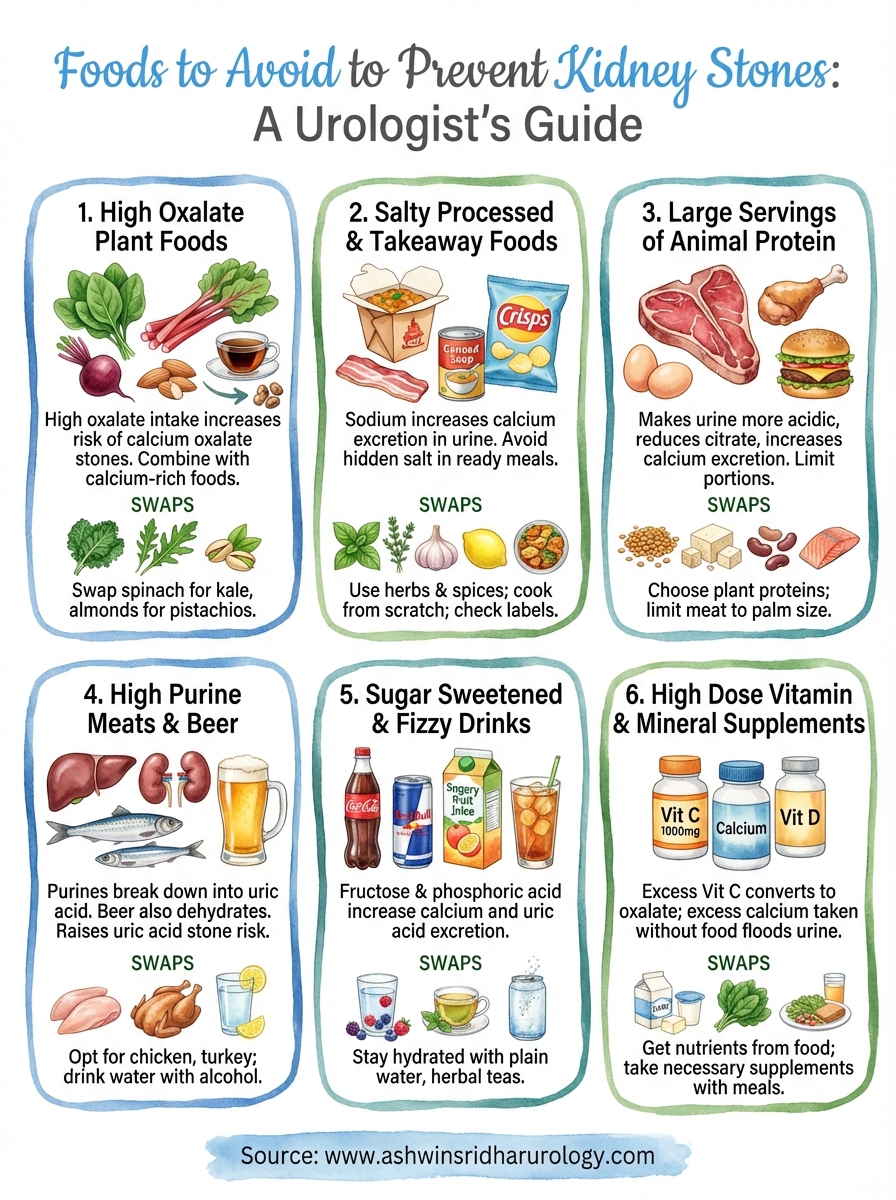
1. High oxalate plant foods
Calcium oxalate stones account for 80 per cent of all kidney stones. Your body cannot break down oxalate, a natural compound found in many plant foods. When oxalate levels rise in your urine and combine with calcium, crystals form that can grow into painful stones. Understanding which foods to avoid kidney stones means knowing your oxalate sources, but you do not need to eliminate them entirely if you eat them correctly.
Why oxalate matters in kidney stone formation
Your kidneys filter oxalate from your blood into your urine. High oxalate intake leads to higher oxalate concentration in your urine, which increases your risk of forming calcium oxalate crystals. These crystals stick together and grow into stones over time. Most people absorb only a small amount of the oxalate they eat, but certain gut conditions can increase absorption and raise your stone risk even further.
Reducing dietary oxalate by 50 milligrams per day can lower your urine oxalate by 3 to 5 milligrams and cut your stone formation risk.
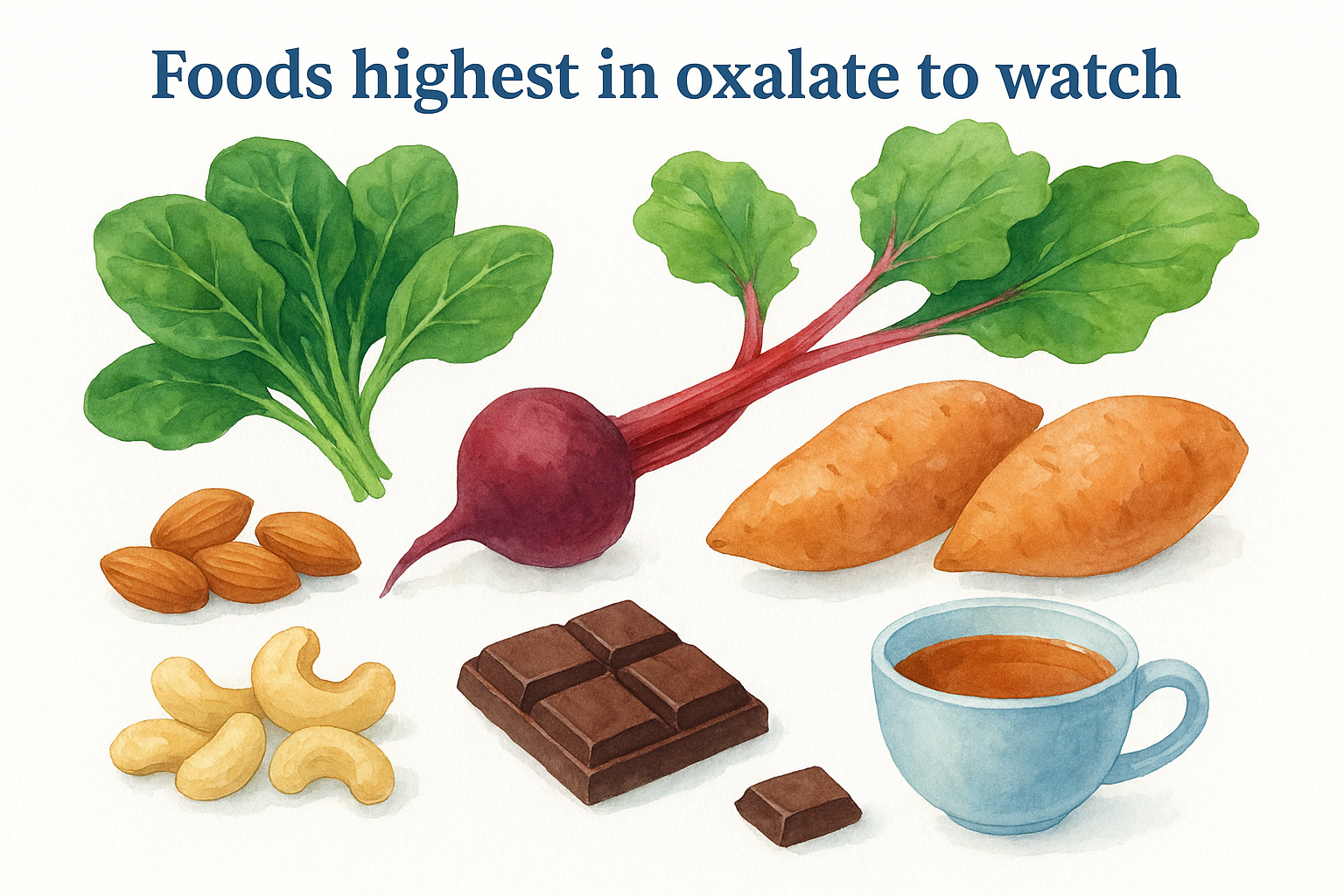
Foods highest in oxalate to watch
Spinach and rhubarb contain the highest oxalate levels of any common foods. Other notable sources include beetroot, Swiss chard, sweet potatoes, nuts (especially almonds and cashews), chocolate, and tea. You should limit these foods if you form calcium oxalate stones. Portion size matters more than complete avoidance for most items.
How to pair calcium and oxalate safely
Eating calcium-rich foods alongside high oxalate foods helps bind oxalate in your gut before it reaches your kidneys. This reduces the amount your body absorbs. Try adding yoghurt to your spinach salad or having cheese with your roasted vegetables. Timing matters, so eat them in the same meal rather than hours apart.
Everyday food swaps to lower oxalate
Replace spinach with kale or rocket in salads. Choose courgettes or carrots instead of sweet potatoes. Swap almonds for pistachios or macadamia nuts, which contain less oxalate. Drink coffee instead of black tea if you enjoy a hot beverage. These simple changes reduce your oxalate load without requiring a complete diet overhaul.
2. Salty processed and takeaway foods
Excess salt ranks among the most important foods to avoid kidney stones, yet most people consume far more than they realise. Sodium increases calcium excretion in your urine, which directly raises your risk of forming calcium-based stones. When you eat salty foods, your kidneys work to remove the extra sodium by pulling more calcium from your bones and sending both into your urine. This creates ideal conditions for stones to form.
How excess salt affects your kidneys and urine
High sodium intake changes your urine chemistry in ways that promote stone formation. For every 2,300 milligrams of sodium you consume (about one teaspoon of salt), your kidneys excrete an extra 40 milligrams of calcium. This calcium combines with oxalate or phosphate in your urine to create crystals. Reducing your salt intake lowers both calcium and sodium levels in your urine, which cuts your stone risk substantially.
Cutting your daily sodium intake by 1,000 milligrams can reduce calcium excretion by nearly 20 milligrams, enough to lower your stone risk significantly.
Hidden high salt foods in a typical UK diet
Ready meals and takeaways contain shocking amounts of hidden sodium. A single chicken tikka masala from a takeaway can deliver over 3 grams of salt. Bread, breakfast cereals, canned soups, pasta sauces, and processed meats like bacon and ham all pack more salt than you might expect. Even items marked as healthy, such as vegetable crisps or flavoured rice cakes, often contain high sodium levels.
Simple ways to cut back on salt without losing flavour
Fresh herbs and spices add flavour without adding sodium. Try garlic, ginger, black pepper, cumin, or lemon juice to season your meals. Cook from scratch when possible, which gives you full control over salt content. Check food labels and choose products with less than 0.3 grams of salt per 100 grams. Rinse canned beans and vegetables before eating to wash away excess sodium.
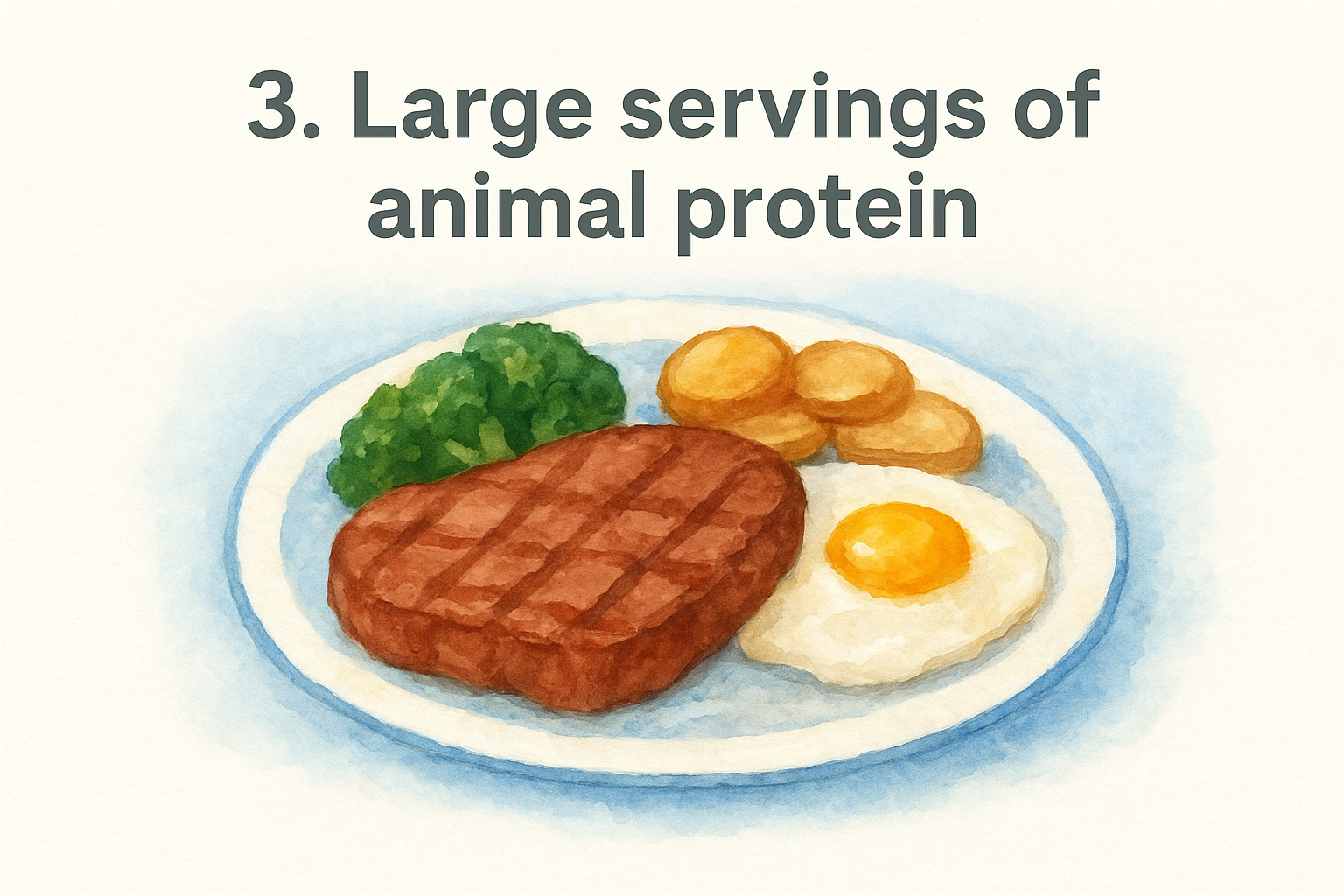
3. Large servings of animal protein
Animal protein increases several substances in your urine that promote stone formation. When you eat meat, eggs, fish, or dairy products, your body breaks down the protein and produces acid, uric acid, and calcium. All three changes make your urine more likely to form crystals. While protein remains essential for health, the amount and type you choose directly affects your kidney stone risk. This makes animal protein one of the key foods to avoid kidney stones when consumed in excess.
How animal protein changes your urine chemistry
High animal protein intake makes your urine more acidic, which reduces the protective citrate levels that normally prevent stones from forming. Your kidneys also excrete more calcium after you eat animal protein, increasing the calcium available to form stones. Uric acid levels rise as your body metabolises the purines found in meat and fish, creating another pathway for stone formation.
Each extra 50 grams of animal protein daily can increase your calcium excretion by 50 milligrams and raise your risk of forming stones by nearly 250 per cent.
Portion sizes and patterns that raise stone risk
Portions larger than the palm of your hand at each meal significantly increase stone risk. Eating meat twice daily or having a large steak for dinner puts excessive strain on your kidneys. Three or more servings of animal protein daily nearly double your stone formation risk compared to one or two servings.
Smarter protein choices to protect your kidneys
Plant-based proteins like beans, lentils, tofu, and chickpeas do not acidify your urine in the same way as animal protein. Try replacing half your meat portions with these alternatives. Keep animal protein servings to 100 to 150 grams (about the size of your palm) and limit yourself to one serving per day when possible. Fish and poultry affect your urine chemistry less than red meat does.
4. High purine meats and beer
Uric acid stones form when your urine becomes too acidic and contains excessive uric acid. Purines, natural compounds found in certain meats and alcoholic drinks, break down into uric acid in your body. When your kidneys cannot eliminate this uric acid efficiently, it crystallises in your urine and forms stones. Understanding which high purine items are foods to avoid kidney stones helps you reduce your uric acid levels and prevent this type of stone formation.
Why purines raise uric acid and stone risk
Your body converts purines from food into uric acid during digestion. When uric acid concentrations in your urine exceed a certain threshold, crystals begin to form. Alcohol consumption compounds this problem by dehydrating you and making your urine more concentrated, which increases crystal formation risk. Beer presents a double threat because it contains both alcohol and high levels of purines from the grains and yeast used in brewing.
Reducing purine-rich foods can lower your uric acid levels by 10 to 15 per cent and significantly decrease your risk of forming uric acid stones.
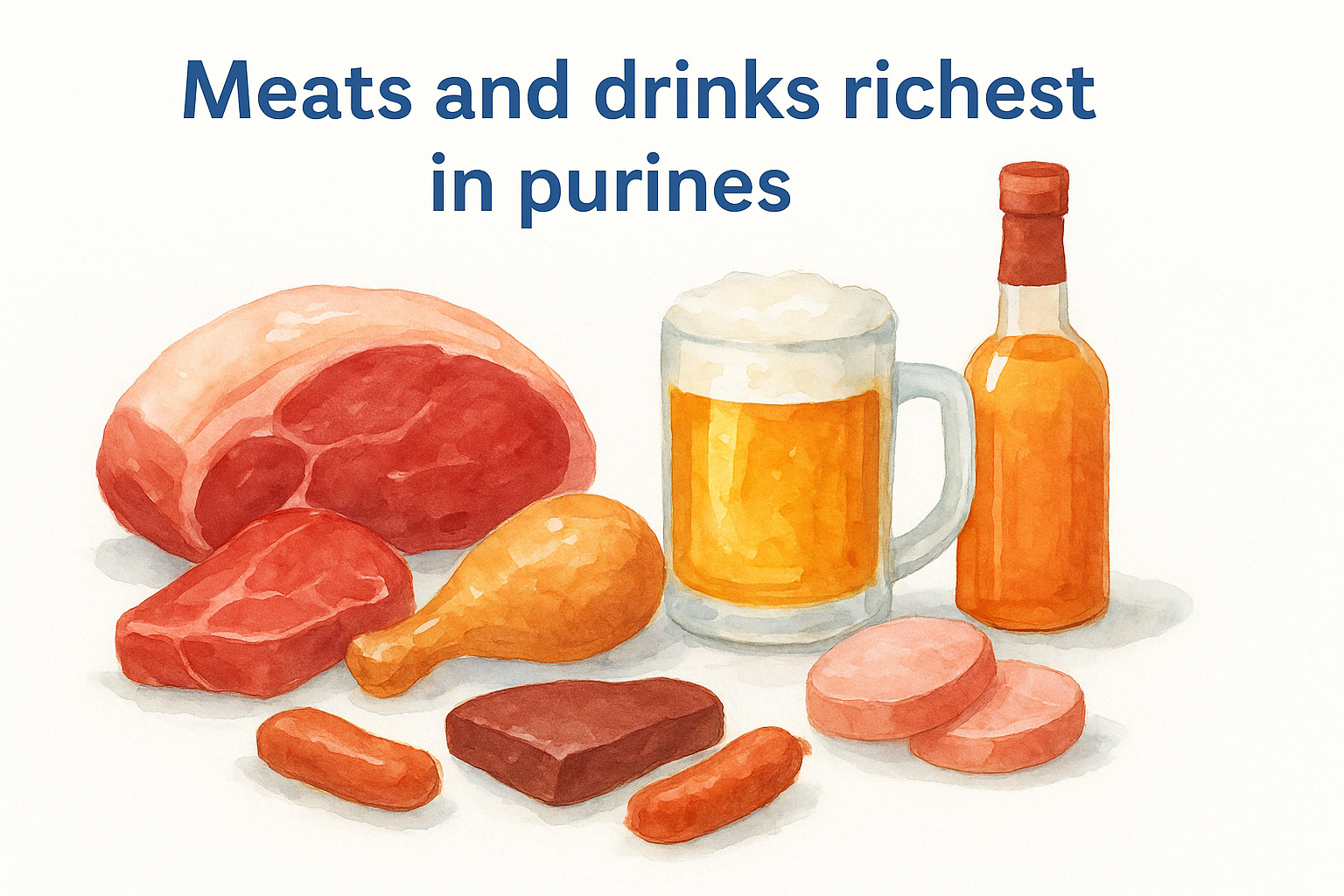
Meats and drinks richest in purines
Organ meats like liver, kidneys, and heart contain the highest purine levels of any food. Game meats such as venison and duck, along with oily fish like anchovies, sardines, and mackerel, also pack substantial purines. Red meat including beef, lamb, and pork delivers moderate to high purine levels. Beer tops the list for alcoholic drinks, whilst spirits and wine contain fewer purines but still dehydrate you.
Better options if you enjoy meat and alcohol
Chicken and turkey contain lower purines than red meat and make better protein choices. Fish like salmon and trout offer moderate purine levels whilst providing healthy fats. Eggs and dairy products contain minimal purines and give you protein without raising uric acid. Limit alcohol to one or two units daily and choose wine or spirits over beer. Always drink a large glass of water for each alcoholic drink you consume.
5. Sugar sweetened and fizzy drinks
Sugary and fizzy drinks rank among the most harmful foods to avoid kidney stones, yet millions consume them daily without realising the risk. Soft drinks, fruit juices with added sugar, energy drinks, and sweetened iced teas all change your urine chemistry in ways that promote stone formation. Fructose, the sugar used in many commercial drinks, increases calcium, oxalate, and uric acid excretion in your urine. Cola drinks present an additional problem because they contain phosphoric acid, which further raises your stone risk.
How sugary and fizzy drinks trigger kidney stones
High fructose consumption from sweetened drinks raises both oxalate and uric acid levels in your urine. Your body converts fructose into substances that acidify your urine and reduce protective citrate levels. Cola drinks contain phosphoric acid, which increases calcium excretion and makes your urine more acidic. Studies show that people who drink one or more sugary soft drinks daily face a 23 per cent higher risk of forming kidney stones.
Replacing just one daily sugary drink with water can reduce your kidney stone risk by up to 20 per cent within months.
Drinks to avoid or keep only as occasional treats
Avoid regular consumption of cola, lemonade, energy drinks, sweetened iced tea, and fruit drinks with added sugar. Sports drinks often contain high sugar levels despite their healthy image. Limit fruit juice to small portions because even natural fruit sugars raise your stone risk when consumed in large amounts.
Kidney friendly ways to stay hydrated day to day
Plain water remains your best choice for staying hydrated and preventing stones. Add fresh lemon or lime slices for flavour without sugar. Herbal teas, sparkling water, and diluted fruit juice (one part juice to three parts water) offer variety without the risks. Aim for two to three litres of fluid daily to keep your urine dilute and clear.
6. High dose vitamin and mineral supplements
Vitamin and mineral supplements seem like a healthy choice, yet taking them without medical guidance can increase your kidney stone risk. Unlike the foods to avoid kidney stones that we have discussed, supplements deliver concentrated doses of nutrients that can overwhelm your kidneys. High dose vitamin C converts to oxalate in your body, whilst excessive calcium supplements raise calcium levels in your urine. Both changes promote stone formation. Many people take supplements they do not need, creating problems their diet alone would not cause.
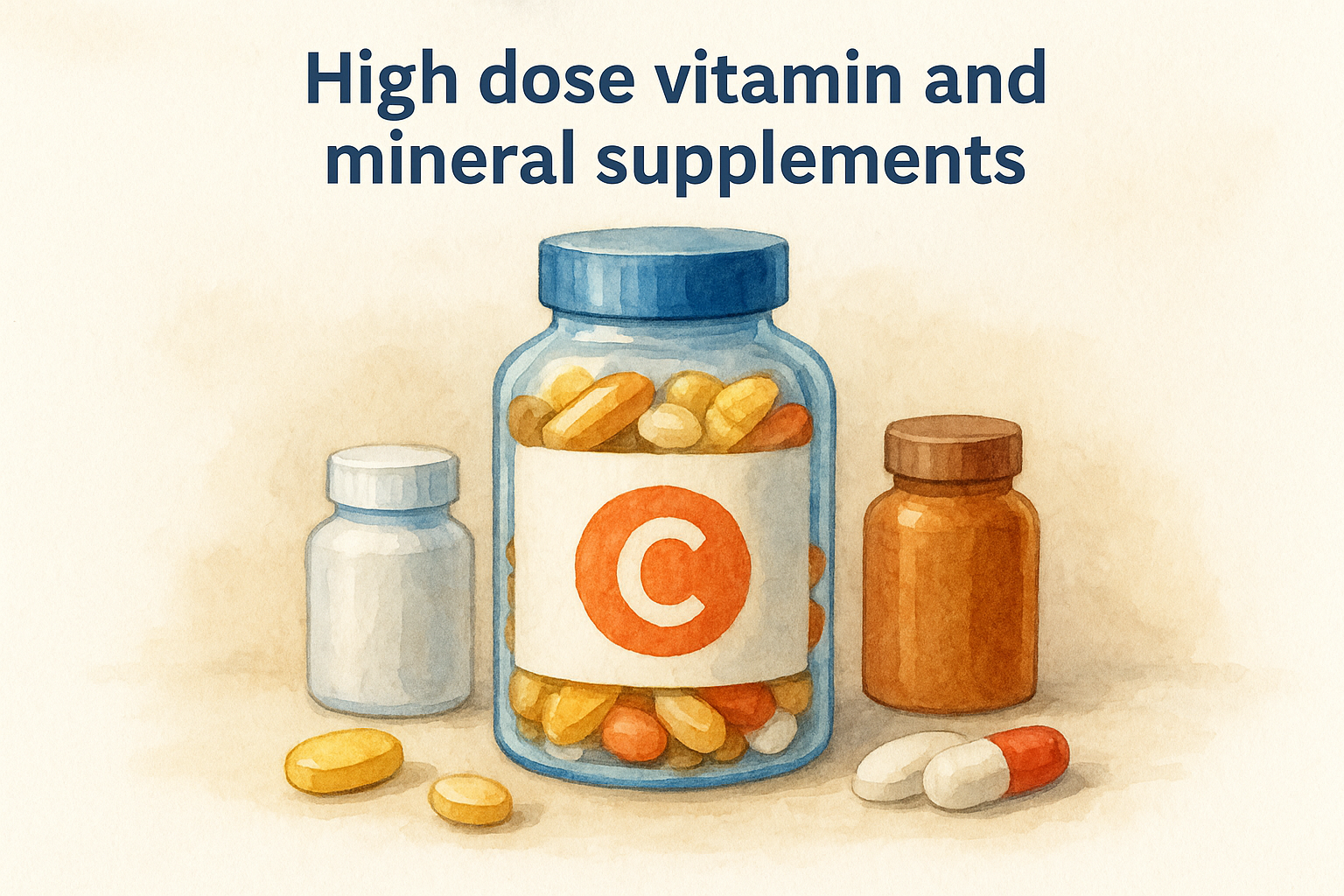
Supplements that may increase kidney stone risk
Vitamin C supplements above 1,000 milligrams daily increase oxalate production in your body, raising your calcium oxalate stone risk. Your kidneys convert excess vitamin C into oxalate, which then appears in your urine. Calcium supplements taken without food or in doses exceeding 1,200 milligrams daily flood your urine with calcium. Vitamin D supplements can worsen this effect by increasing calcium absorption from your gut.
Taking more than 2,000 milligrams of vitamin C daily can double your oxalate excretion and substantially increase your stone formation risk.
When calcium and vitamin D can become a problem
Calcium supplements become problematic when you take them between meals or in excessive amounts. Your body absorbs calcium best with food, and timing affects how much reaches your urine. Vitamin D doses above 4,000 international units daily without medical supervision can drive too much calcium into your bloodstream and eventually into your urine.
How to use supplements safely with medical advice
Get your calcium from food whenever possible rather than relying on supplements. Dairy products, fortified plant milks, and leafy greens provide calcium that your body handles better. Take any necessary supplements with meals to reduce absorption peaks that strain your kidneys. Choose vitamin C doses under 500 milligrams daily unless your doctor recommends higher amounts.
When to ask a urologist for personalised guidance
Contact a urologist if you have passed a kidney stone and take any regular supplements. Your stone type determines which supplements pose the greatest risk to you. Blood and urine tests reveal whether your current supplement routine affects your stone risk, allowing your urologist to recommend safe alternatives tailored to your needs.
Staying stone free
The foods to avoid kidney stones matter more than most people realise. Small dietary changes can dramatically reduce your stone risk. Cut back on high oxalate vegetables, limit salt and animal protein, reduce sugary drinks, and avoid high purine meats and beer. These adjustments protect your kidneys without requiring extreme restrictions or complete elimination of foods you enjoy.
Track your fluid intake to ensure you drink two to three litres daily. Your urine should look pale yellow throughout the day, which shows you are properly hydrated. Most kidney stones form because people do not drink enough water, making dietary changes only part of the solution.
If you have formed stones before or experience symptoms like back pain or blood in your urine, seek expert advice. Book a consultation with me to review your specific stone type and receive personalised dietary guidance that fits your lifestyle and medical history.