
Testicular torsion happens when the spermatic cord twists and cuts off blood supply to a testicle. The cord carries blood to your testicle from your abdomen. When it twists, blood cannot reach the testicle, causing sudden intense pain and potential permanent damage. This condition requires immediate medical attention. Without treatment within six hours, you risk losing the affected testicle completely.
Many people hesitate when faced with testicular pain because they feel embarrassed or hope the problem will resolve itself. That delay can be dangerous. This article explains the warning signs of testicular torsion, why speed matters, and what happens during diagnosis and treatment. You’ll learn which symptoms demand urgent action and what to expect if you need emergency care. Understanding these signs could save your testicle and preserve your fertility. If you’re experiencing sudden testicular pain right now, stop reading and get to an emergency department immediately.
Why testicular torsion is an emergency
Your testicle needs constant blood flow to survive. When the spermatic cord twists, it acts like a tourniquet around the vessels that supply oxygen-rich blood. The tissue begins dying within hours. Medical research shows that if you wait more than six hours before seeking treatment, your chances of saving the testicle drop dramatically. This isn’t a condition you can sleep off or treat at home with pain relief. Every minute counts when blood cannot reach your testicle.
The six-hour window
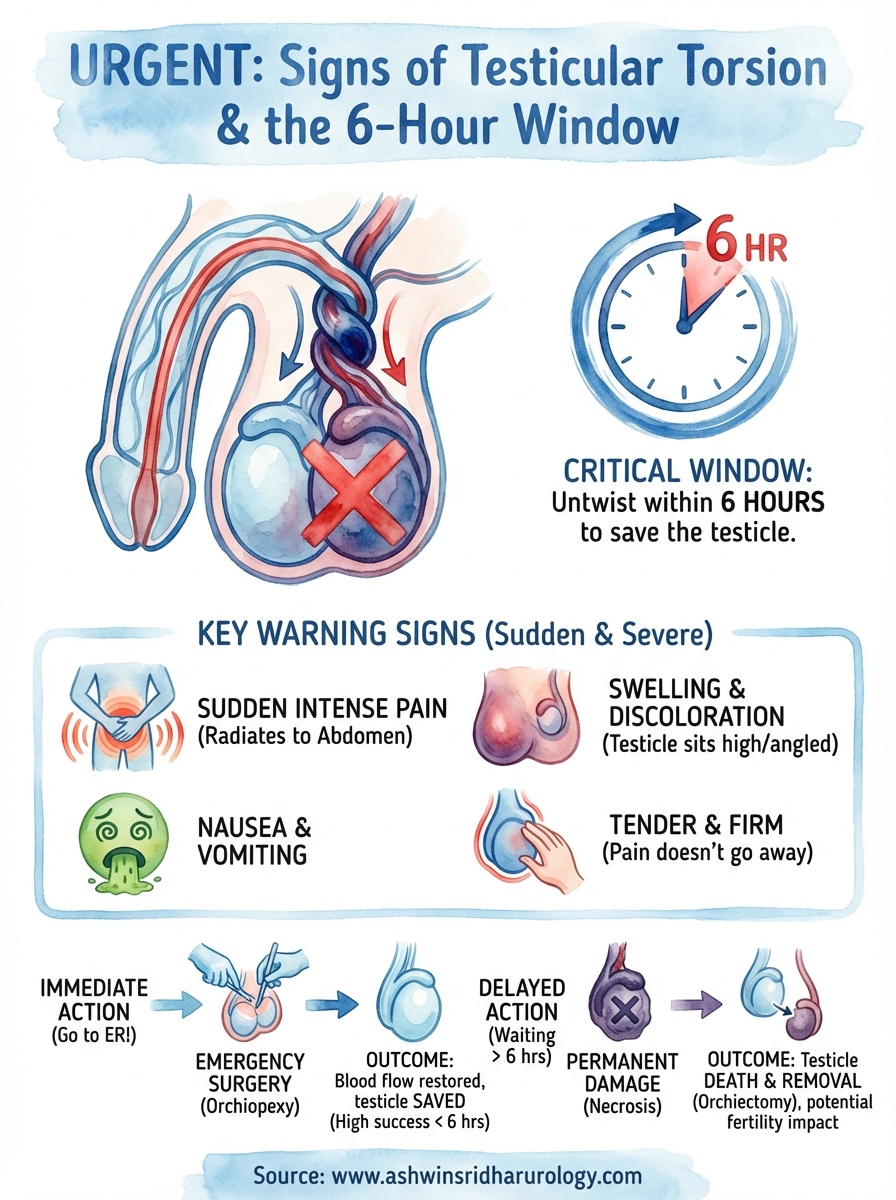
Doctors consider the first six hours after symptoms begin the critical window for treatment. During this time, surgeons can usually untwist the cord and restore blood flow, saving your testicle in most cases. After six hours, permanent damage becomes increasingly likely. Studies show that nearly 90% of patients keep their testicle when treated within this window, but that percentage drops to around 50% after twelve hours and just 10% after twenty-four hours.
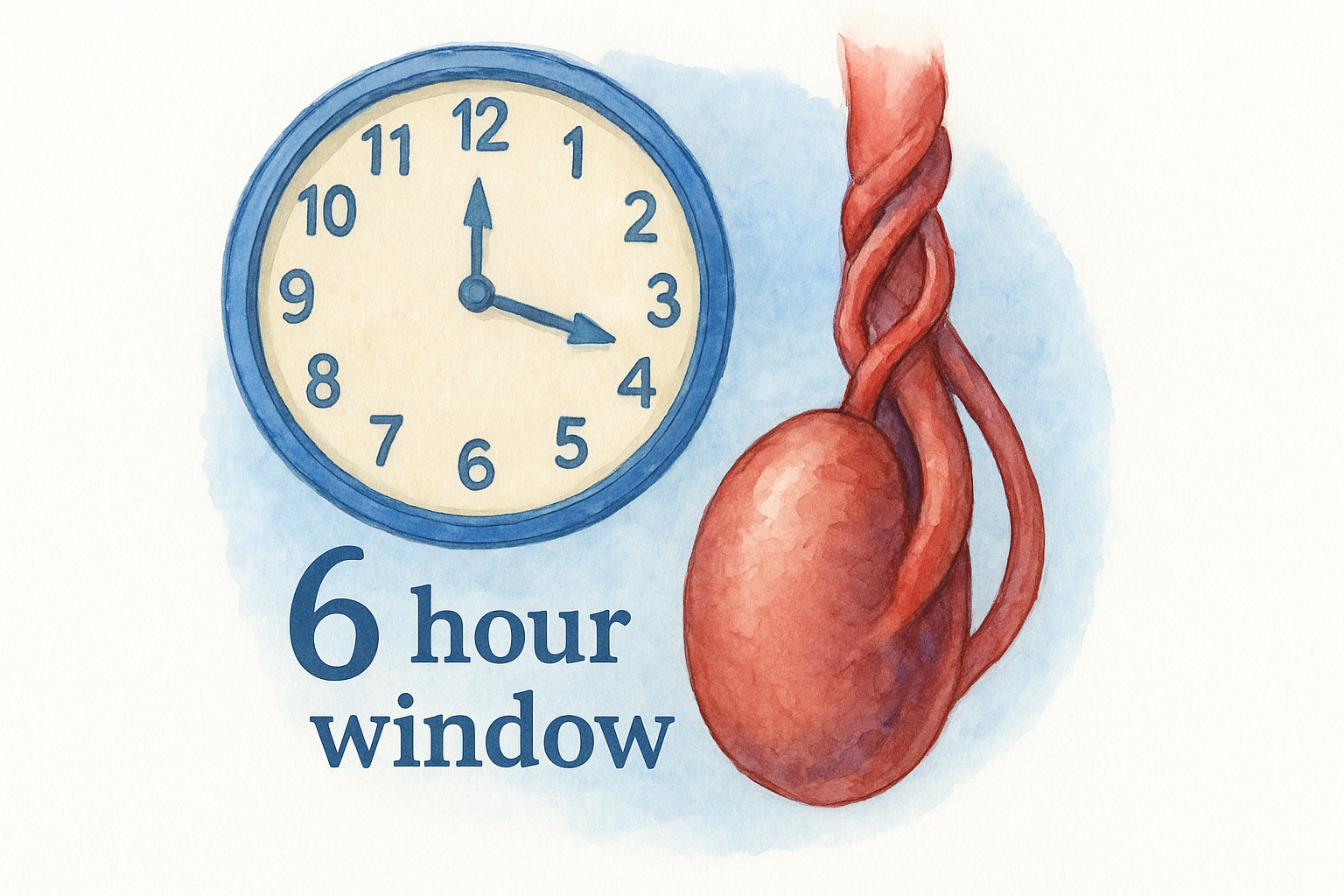
If you notice sudden testicular pain, treat it as an emergency and head to hospital immediately, even if you’re not certain about the signs of testicular torsion.
What happens without treatment
Without surgical intervention, your testicle will die. The tissue becomes necrotic, meaning it rots whilst still attached to your body. You’ll need surgery to remove the dead testicle, which cannot be reversed. Beyond losing the testicle itself, delayed treatment may affect your fertility even in the opposite, healthy testicle due to inflammatory responses and antibody production.
How to recognise the signs quickly
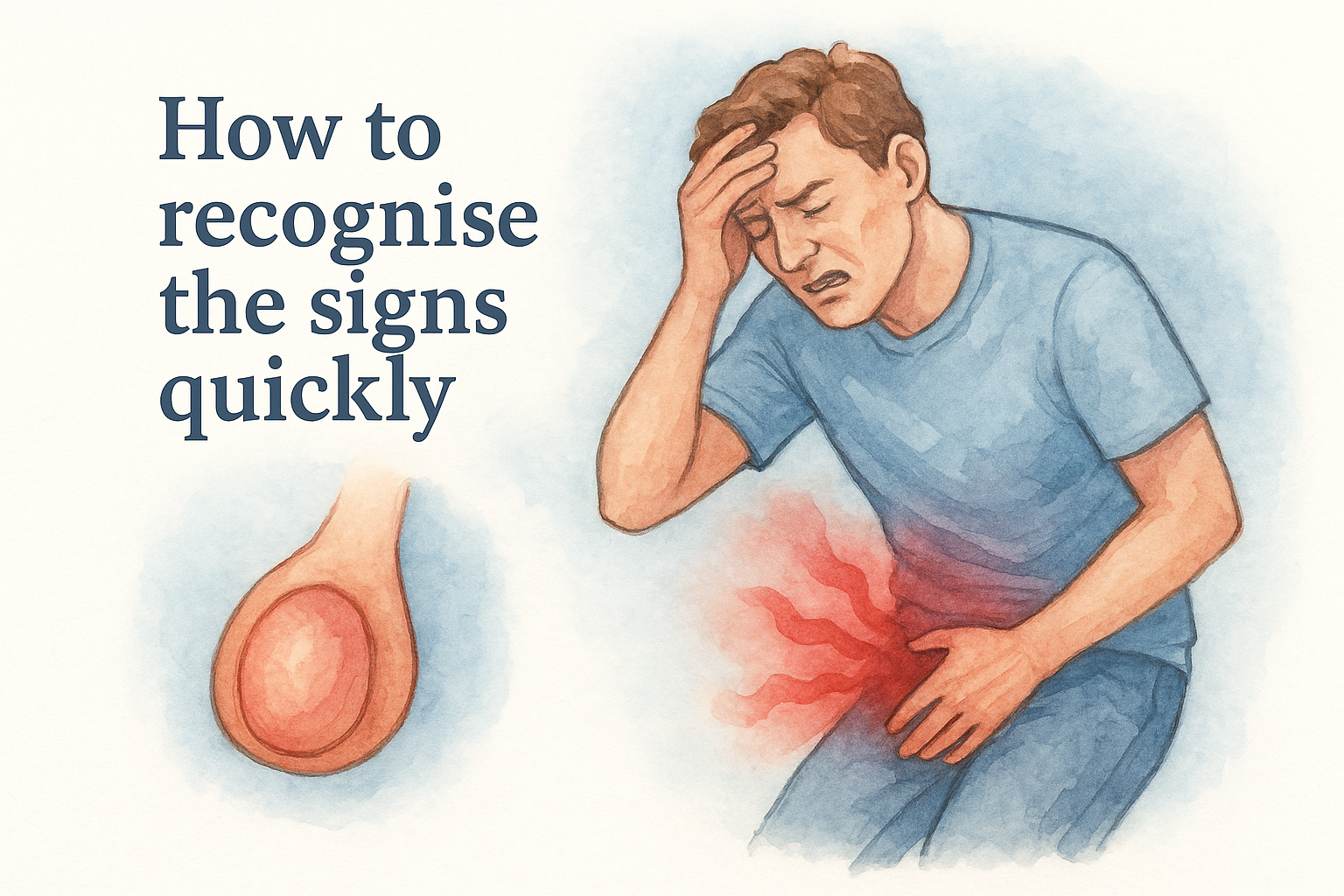
The most distinctive feature of testicular torsion is sudden, severe pain that appears without warning. You might wake up with it, or it could strike whilst you’re sitting at your desk or watching television. The pain starts in your scrotum and often radiates upwards into your lower abdomen or groin. Unlike other testicular conditions that develop gradually over days, torsion announces itself with an intensity that feels impossible to ignore. You won’t confuse this with a dull ache or mild discomfort.
The sudden onset pattern
Most cases begin abruptly, often in the middle of the night or early morning. You haven’t injured yourself, you haven’t been exercising vigorously, and nothing obvious triggered the pain. One moment you felt fine, and the next you’re dealing with intense discomfort. This spontaneous appearance distinguishes torsion from injuries or infections that typically have clear causes. Young men between twelve and eighteen face the highest risk, though torsion can affect anyone with testicles at any age.
Pain characteristics that matter
The pain from torsion doesn’t come and go in waves. It remains constant and severe, steadily worsening over minutes to hours. You’ll notice the affected testicle may sit higher in your scrotum than normal or appear positioned at an unusual angle. Swelling develops quickly, and the scrotum itself might look red or darkened. Many people experience nausea and vomiting alongside the testicular pain, which signals that recognising the signs of testicular torsion requires urgent action.
The pain doesn’t improve with rest or over-the-counter medication, and waiting to see if it resolves naturally wastes precious time.
Typical symptoms you should never ignore
Beyond the hallmark pain, several physical changes accompany testicular torsion that you can observe and feel. Your scrotum will swell, often on just one side, and the skin may turn red, purple, or even dark brown as blood flow disruption progresses. When you look down, you’ll notice the affected testicle sitting higher than usual or positioned at an odd angle compared to your other testicle. These visible changes develop within hours and worsen rapidly without treatment.
Scrotal changes you can see and feel
The affected testicle becomes firm and tender to touch, though you’ll likely avoid touching it due to severe pain. Swelling increases quickly, making the scrotum appear larger and tighter. You might notice a lump on the testicle that wasn’t there before. Some people observe discolouration spreading across the scrotal skin, which indicates serious blood flow problems. Your body reacts to the emergency by swelling the area, attempting to protect the damaged tissue.
These physical changes confirm that recognising the signs of testicular torsion means you need emergency care, not waiting until morning or your next GP appointment.
Warning signs beyond the testicle
Your body’s response to testicular torsion extends beyond your scrotum. Nausea and vomiting occur in many cases as your body reacts to the severe pain and tissue damage. You might experience lower abdominal pain that feels similar to appendicitis, which sometimes confuses the diagnosis. Some people develop a fever as inflammation spreads. The urge to urinate more frequently than normal also appears in certain cases, though this symptom is less common than the others.
How doctors confirm the diagnosis
When you arrive at the emergency department, doctors act quickly because time matters critically with testicular torsion. The medical team will ask about your symptoms, focusing on when the pain started, how severe it feels, and what changes you’ve noticed in your scrotum. They’ll want to know if you’ve experienced similar episodes before or have a family history of testicular problems. Your answers help them distinguish torsion from other conditions like infections or injuries that cause testicular pain.
Physical examination process
A doctor will examine your scrotum carefully, checking for swelling, discolouration, and the position of your testicles. They’ll test your cremasteric reflex by lightly stroking the inner thigh to see if your testicle retracts upwards normally. When this reflex is absent, it strongly suggests torsion. The examination might be uncomfortable given your pain level, but doctors need this information to recognise the signs of testicular torsion quickly and accurately.
The absence of the cremasteric reflex serves as one of the most reliable clinical indicators that torsion has occurred.
Scrotal ultrasound findings
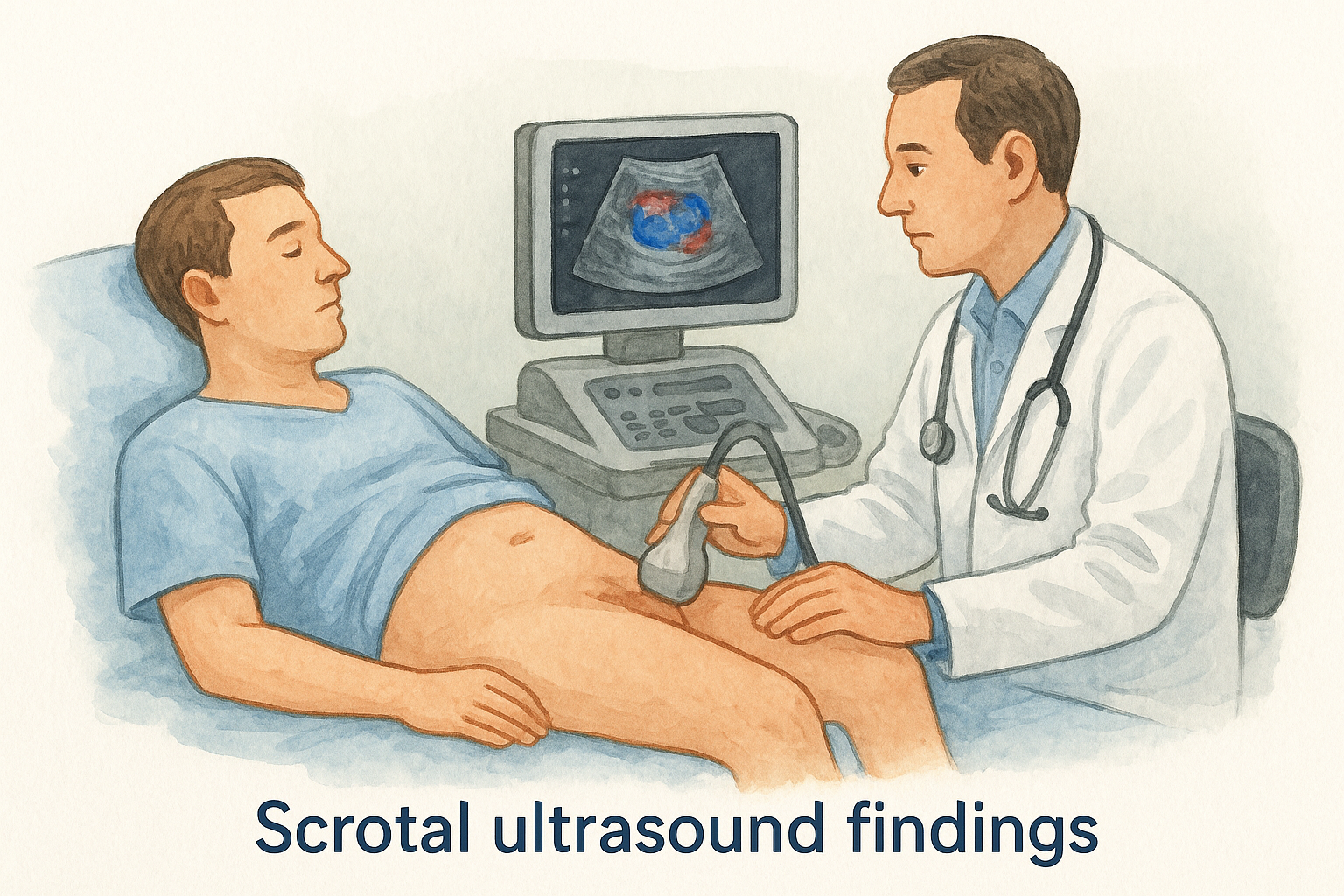
Most emergency departments will order an ultrasound scan of your scrotum to confirm the diagnosis. This imaging test shows blood flow patterns within your testicles using sound waves. When torsion occurs, the ultrasound reveals reduced or absent blood flow to the affected testicle. The scan takes just minutes to perform and provides definitive evidence. However, if your symptoms clearly indicate torsion, surgeons may skip the ultrasound and take you directly to theatre rather than waste precious time on imaging.
Treatment, recovery and future fertility
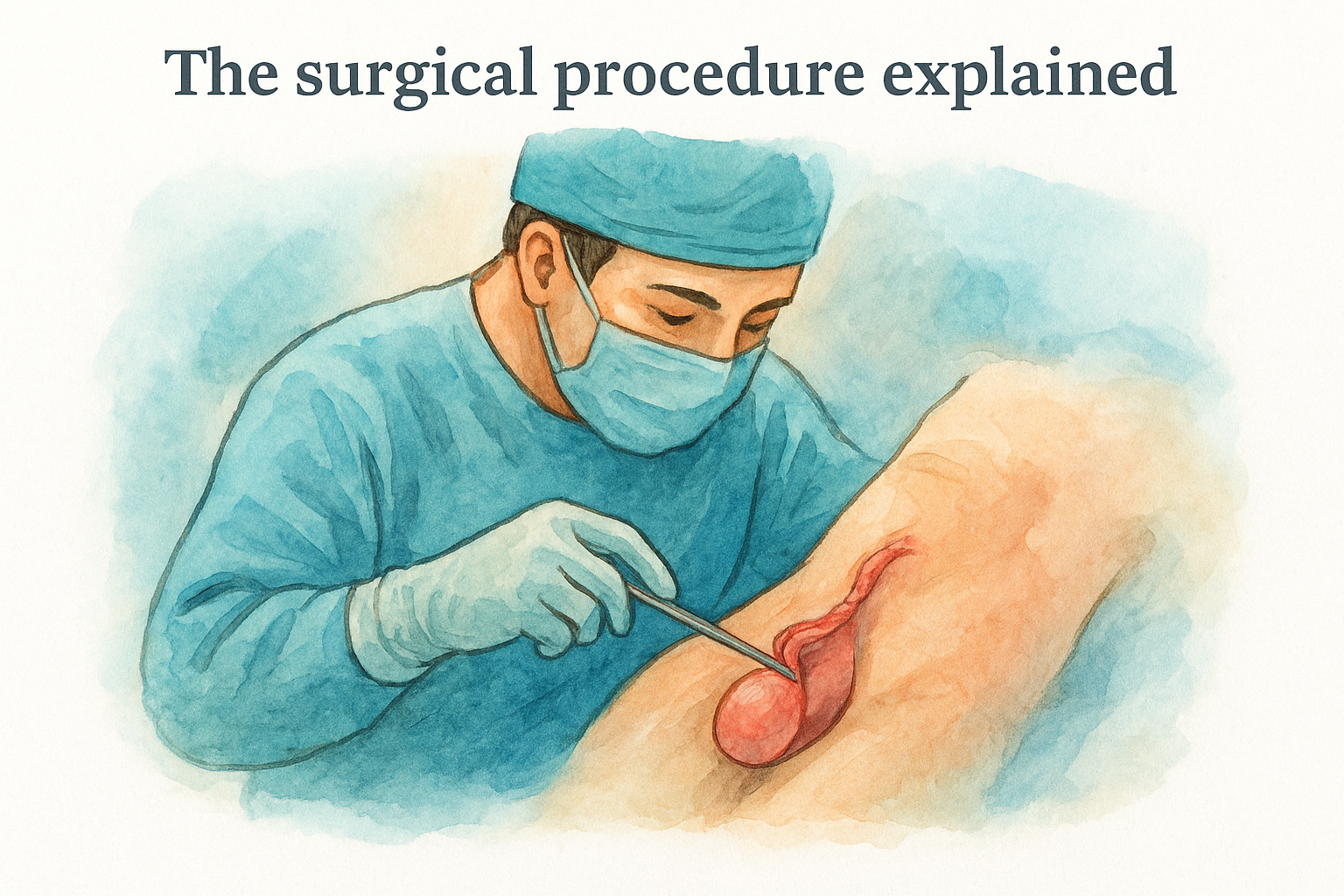
Surgery remains the only effective treatment for testicular torsion. Surgeons perform an orchiopexy, which involves untwisting your spermatic cord and securing both testicles to prevent future torsion. The procedure typically happens within hours of diagnosis because acting quickly determines whether your testicle survives. During surgery, the surgeon makes a small cut in your scrotum or groin, untwists the affected testicle, and stitches it to the inner scrotal wall. They’ll also secure your other testicle as a preventative measure, since the anatomical condition that allowed torsion usually affects both sides.
The surgical procedure explained
Your surgeon will work rapidly to restore blood flow once you reach the operating theatre. After untwisting the spermatic cord, they assess the testicle’s viability by checking whether it regains normal colour and blood flow. If the tissue appears healthy, they’ll anchor it with permanent stitches. However, if recognising the signs of testicular torsion came too late and the testicle has died, they’ll remove it through an orchiectomy. This removal prevents infection and inflammation that could affect your remaining testicle.
What happens during recovery
You’ll experience swelling and bruising for the first week after surgery, which gradually improves. Pain medication helps manage discomfort during this initial period. Most patients return to work or school within a week, though you must avoid heavy lifting and strenuous activities for at least three to four weeks. Your surgeon will schedule follow-up appointments to monitor healing and ensure no complications develop.
Full recovery takes several weeks, but getting back to normal activities happens sooner than most people expect.
Your fertility outlook
One healthy testicle produces sufficient sperm and testosterone for normal fertility and male characteristics. However, studies show that roughly one third of patients experience reduced sperm counts after torsion, even when the testicle survives. Your body may produce antibodies against sperm following torsion, potentially affecting fertility in the long term. Regular testosterone checks become advisable as you age, particularly if you lost a testicle. Most men father children successfully after torsion, though discussing fertility preservation options with your surgeon makes sense if you’re concerned.
Moving forward
Understanding the signs of testicular torsion equips you to act decisively when minutes matter most. Sudden, severe testicular pain demands immediate medical attention, not hesitation or home remedies. Your testicle’s survival depends on reaching emergency care within that critical six-hour window, and waiting to see if symptoms improve wastes time you cannot recover. Trust your instincts when something feels seriously wrong.
Prevention beyond surgery doesn’t exist for testicular torsion, but knowing these warning signs protects you and those around you. Young men particularly need this knowledge, though the condition can strike at any age. If you’re experiencing testicular pain right now, head straight to an emergency department rather than searching for more information online.
For expert urological care and consultation on testicular health concerns, contact Mr Ashwin Sridhar’s practice to discuss your symptoms confidentially. Your reproductive health deserves specialist attention from experienced professionals who understand these urgent conditions.